Define Mesothelioma: How To Spot Symptoms of This Disease

You can't even turn on the television without seeing an ad by some lawyer who is working a class action suit for people who have mesothelioma. To get a clear understanding of what is going on, let's define mesothelioma, and learn not only what it is, but how you get it and what your options are.

Pleural mesothelioma

Mesothelioma is a malignant tumor of the mesothelium, envelope consisting of two sheets between which there is a liquid lubricant. This mesothelium surrounding many organs: it is called pleura to the lung, peritoneum for digestive organs, pericardium for the heart.

Causes of Mesothelioma

In over 90% of cases, the cause of mesothelioma is attributed to occupational exposure to asbestos. Mesothelioma can also be due to exposure Environmental 'unprofessional, asbestos. Spontaneous or idiopathic occurrence of mesothelioma in the absence of asbestos exposure, is also possible and affects about one in a million.

Signs and symptoms of mesothelioma

Signs and symptoms of mesothelioma that affects the chest (pleural mesothelioma) include these:

Treatment of pleural mesothelioma

It is possible that surgery is not an option for people with pleural mesothelioma sarcomatoid types. These people often have a poor prognosis since this type of mesothelioma is resistant to treatment.

Showing posts with label Pleural mesothelioma. Show all posts

Thursday, May 19, 2016

What Has to Be Known About Lung Cancer?

mesothelioma cancer
Lung cancer is one of the most commonly diagnosed types of cancer affecting close to 2 million people every year worldwide, and killing approximately 75% of those who have are affected. Although studies have proven that there has been a decrease in incidence of lung cancer cases since the mid 1980's, present epidemiology is still alarming.
According to the surgeon general lists of the United States, 21 deadly diseases are caused by smoking, including lung cancer. Even though most smokers know what would be the effect of smoking, they are still addicted and continue using the tobacco products or the primarily industrially manufactured, the cigarettes. Approximately half a million smoking-related deaths, including both direct and secondhand smokers, have been reported every year, and out of that half a million, about 437,000 of those are direct smokers.
With 2 million people diagnosed to have lung cancer every year including 150,000 Americans, people may ask how likely one could acquire the disease? Basically, this disease could be acquired through exposure to carcinogens. It could be environmental or occupational. Smoking remains to be the number one risk factor for developing this cancer. Almost 80% of the lung cancer cases are projected to tobacco smoking and exposure to secondhand. Other possible causes of cancer are exposures to asbestos, halogen ether and chromium.
Genetic susceptibility is another factor that predisposes a person to acquire this lethal disease. Studies have shown that patients have an oncogene specific for developing this type of cancer, although further studies are still ongoing in order to solidify this theory.
What is really peculiar about lung cancer is that it may develop unnoticed until it reaches the later stages of the disease. A person could feel a wide variety of symptoms ranging from cough, back pain, weight loss, anorexia, generalized weakness and even fever. If anyone has these signs and symptoms, it is recommended to seek professional help.
Doctors and scientists have developed different ways of treating this cancer. Unfortunately, there hasn't been a definite cure up to this date. Management such as surgery, chemotherapy and radiotherapy are currently being practiced worldwide to help patients have a good quality of life in the face of carrying this burden. Aside from medical and surgical approach, there are also organizations that offer financial, psychological and emotional support to victims of lung cancer.
Lung cancer is certainly a dreadful disease that continues to be a worldwide burden, but with the development of new medical and surgical treatments as well as support from different cancer organizations, the fight against cancer is getting stronger.

Cancer Society of America Is a charitable non-profit organization that receives gift donations in order to help cancer patients, and support cancer research groups to find cancer cures. Please click below link to make your gift donation to bring help and hope to millions of people who suffer and fight cancer: http://www.cancersocietyofamerica.org/donate-charity-research.htmlArticle Source: http://EzineArticles.com/expert/Tony_Afkami/2158322

Article Source: http://EzineArticles.com/9109997
Share:

Monday, April 25, 2016

Pleural Mesothelioma - Cancer That Affects the Lung Lining

diagnosed with pleural mesothelioma
Pleural mesothelioma is the form of cancer in its malignant manifestation over the protective layer of the lungs with possibilities to spread to the lungs as well. The formation of malignant cells in the structure of the lining will act as a constrictive belt for the lungs preventing them to function normally, and as such the person who presents this condition can have shortness of breath.
Pleural mesothelioma can be:
- diffuse and malignant - carcinogenic type. 

- localized and benign - non cancerous type - this one can be removed surgically, while the malignant form is really hard to deal with.

Pleural mesothelioma is the most commonly met case in the cases of mesothelioma and it appears due to a longer exposure to an asbestos environment, for after 20 years or so to start manifesting. It takes indeed a lot of time for the disease to be detected as it needs some time to incubate and in the end to expose some symptoms that will indicate the presence inside the human body.
These symptoms that relate to pleural mesothelioma are difficulty in breathing, sleeping, chest pain, blood vomits, weight loss, loss of appetite, lower back pains, coughing, difficulty in swallowing.
To offer a diagnosis in pleural mesothelioma it will need a CT scan or an X-ray for the chest area for the pleural thickening to be revealed. The next step leads to bronchoscopy. A medical practitioner should then be able to have a better comprehension of the case.
Another way to detect the disease is the open biopsy or the needle biopsy. This can be done as well through a thoracoscopy where a mini camera is inserted for a tissue sample to be removed and analyzed.
Treatment can be effective as long as the pleural mesothelioma is detected in its early stages. In this case the tumor can be taken out through a surgical procedure. Additionally an immuno-therapy can be followed with inoculation of Bacillus Calmette-Guerin (BCG) used for increasing power of the immune system. Radiation therapy as well as chemotherapy for the late stage of the disease can act merely as ways to relieve the pain.
There are also side effects presented, such as severe tiredness, excessive radiation can cause a reddish and itchy aspect of the skin. Nausea and vomiting can be the other side effects in the case of radiotherapy, urinary discomfort as well as a diminishing in number of the white blood corpuscles.
When a person is diagnosed with pleural mesothelioma the life expectancy is from 6 months to one year, the maximum in some cases being up to 5 years. Other factors to accelerate the disease manifestation are the lung infections left untreated, tobacco smoking, exposure to simian virus 40 (SV 40) and many others.


I have set up a website specifically for those people who do not know where to start when they find out that they, or someone close to them has contracted mesothelioma.The site has all the information you need to file your case;lawyers, experts, articles by experts, but most importantly, a number of videos by an expert in the field, who will guide you through the process. You will never feel alone using this website resource. I hope that it gives some comfort to those affected. You can go directly to the site here: [http://www.mesotheliomaalternatives.com]Regards,Chris Arnfield BA, BSc.Article Source: http://EzineArticles.com/expert/Christopher_Arnfield/198090Article Source: http://EzineArticles.com/4879598
Share:

Malignant Pleural Mesothelioma Survival Rate

malignant mesothelioma
Malignant pleural mesothelioma is the most common type of malignant mesothelioma. Many factors may be involved in determining the survival rate for this aggressive cancer; some are better understood than others. Estimates of median survival time range from one to two years; survival depends on underlying factors such as the type and extent of spread of the mesothelioma. Only seven percent of people with this cancer survive to five years after diagnosis, but this outlook is gradually improving with some promising experimental treatments. Some people live well beyond five years from the time of diagnosis.
In general, younger age at diagnosis, absence of weight loss and limited loss of lung function are associated with chances for increased survival. Stage I mesotheliomas, which have not spread to the lymph nodes or adjacent tissues and organs, also carry the best prognosis. The type of cell the cancer is comprised of can also affect survival. The epithelioid cell type has the best prognosis, the mixed or biphasic cell type the next best prognosis, and the sarcomatoid cell type the worst prognosis. The majority of malignant pleural mesotheliomas are of the epithelioid cell type.
Because this cancer takes so long to manifest, people are usually diagnosed at an older age and with more advanced disease, potentially worsening the prognosis and the treatment options available. The more aggressive the treatment, the better the outcome may be, but in cases with cancer that has spread to other parts of the body, chemotherapy may be the only alternative. New drugs, such as the combination of Alimta with Platinol, have been shown to improve survival in malignant mesothelioma patients whose only option is chemotherapy. A number of experimental treatments, such as immunotherapy and biotherapy, are currently being evaluated in clinical trials.


Malignant Mesothelioma [http://www.WetPluto.com/Diffuse-Malignant-Pleural-Mesothelioma.html] provides detailed information about malignant mesothelioma, diffuse malignant pleural mesothelioma, malignant mesothelioma diagnosis, malignant mesothelioma lawyer and more. Malignant Mesothelioma is the sister site of Peritoneal Mesothelioma Lawyers [http://www.WetPluto.com/A-Guide-To-Malignant-Peritoneal-Mesothelioma.html].Article Source: http://EzineArticles.com/expert/Elizabeth_Morgan/44833Article Source: http://EzineArticles.com/140719
Share:

Saturday, April 16, 2016

Pleural mesothelioma

http://babasikha4.blogspot.com/2016/04/treatment-of-pleural-mesothelioma.html
Mesothelioma is a malignant tumor of the mesothelium, envelope consisting of two sheets between which there is a liquid lubricant. This mesothelium surrounding many organs: it is called pleura to the lung, peritoneum for digestive organs, pericardium for the heart.

The most common is that of the pleura: the pleural mesothelioma

It is almost always secondary to the inhalation of asbestos dust (this is known since the 60's) and possibly some refractory ceramic fibers. The microfibers of inhaled asbestos will lodge deep in the respiratory tract in the alveoli, these strong fibers migrate to the pleura from where mechanical irritation of the pleura, the basic lesion is primarily physical, not chemical. The time between exposure and disease often reaches several decades but may be shorter in some cases. This exposure may be short (one or two) and thus difficult to find and prove 40 or 50 years later.

Mesothelioma is a diseases caused by asbestos (see our article on the subject)

Smoking increases the risk of lung lesions but does not affect the risk of developing mesothelioma.

Signs of the disease are not very evocative and often late: Chest pain, neuralgia in the arm, pain in the back, in the shoulder blade. Therefore considered rather mundane
More evocative: pleural effusion (often bloody fluid between the layers of the pleura) with dyspnea (shortness of breath)

The chest X-ray is seldom useful except at an advanced stage.
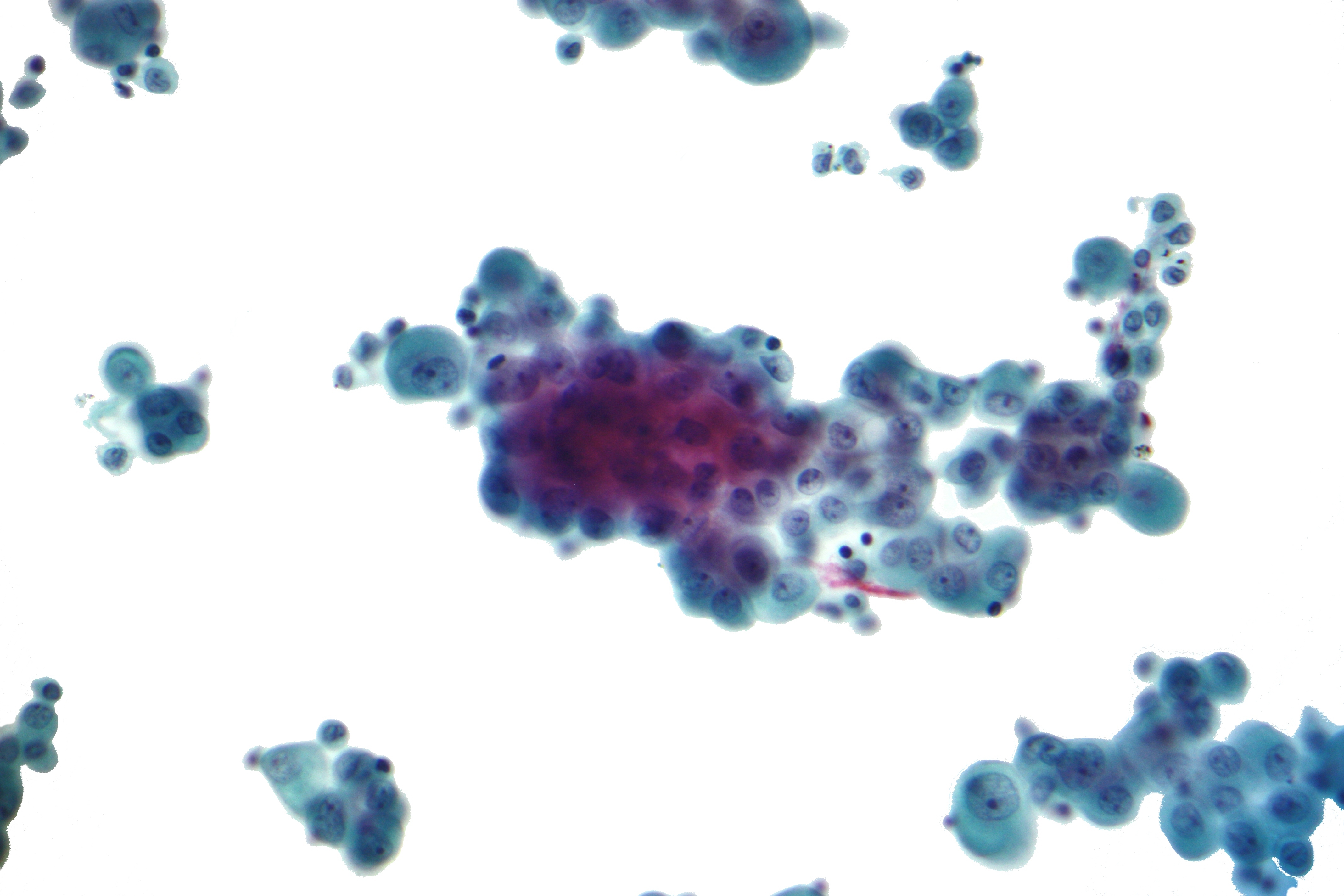
Microscopic examination of the aspirate if effusion may find malignant cells
CT and MRI are the most useful examinations and diagnosis will be confirmed by a biopsy of the pleura or by thoracoscopy

Treatment: in early surgery can yield results, then radiation therapy can slow the progression finally chemotherapy will only be palliative. The prognosis is usually terrible (one year survival often only).

Prevention is therefore essential: removal of sprayed asbestos, protection of workers and their families (wife cleans clothes for example)
Asbestos is banned in France since 1997 and in many Western countries (but there are other countries where everything remains to be done ...)

The exposed occupations are numerous.
Those who pay the heaviest price were, are and will (if the maximum is expected between 2010 and 2020):

Plumbers, welders, pipefitters
Iron construction or steel workers (carpenters, shipbuilding and railway and automobile)
Sheet metal workers, boilermakers, auto mechanics and heavy
electricians
general building workers
Yourselfers "madmen"
Employment in the manufacture of articles containing asbestos (asbestos cement, asbestos textile industry until 1996 with activity carding, spinning or weaving)
Employment in the insulation (thermal or acoustic), in manufacture of electrical insulators, in power plants, refineries
car repair and other vehicles (brakes and clutch)
Fitters ventilation / heating / cooling, boiler installer
Steel (blast furnaces, coking plants, steel mills)
Glass industry
dockers
Etc. ...

Share:
Powered by Blogger.